Collect the machine and engine information
Start with the manufacturer, exact model, year if known and machine hours. Photograph the machine identification plate and the engine plate where they can be accessed safely. Keep machine identification separate from engine identification; do not assume one replaces the other.
Cummins provides technical information and serial-number-based parts and service resources. For a machine using a Cummins engine, the engine serial number helps locate the correct engine information. For another manufacturer, use its equivalent identification and service resources. Follow the machine’s own documentation when locating a plate.
Explain the task and attachment
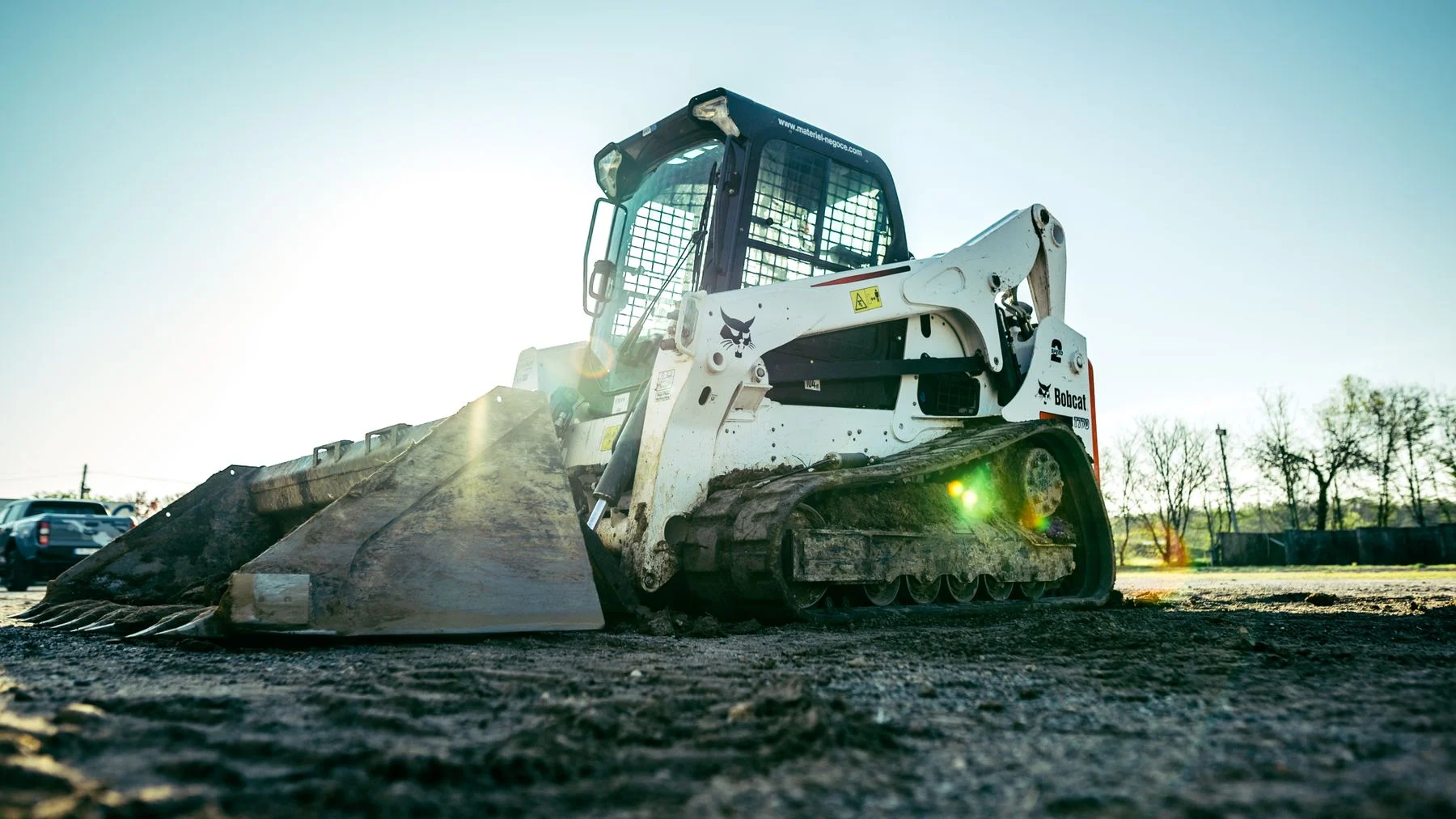
“Needs more power” leaves a lot unanswered. Tell the shop which attachment or implement is fitted, what material or task is involved and when the concern appears. A skid loader moving material with a bucket is a different description from the same machine running an attachment.
Describe whether the behavior is constant or appears only after warm-up, during travel or under a particular task. Include conditions you can reliably observe. The goal is an accurate account of the work, not a guessed diagnosis.
- Machine make, exact model, year and hours.
- Engine make, model and identification plate details.
- Attachment or implement and the work being performed.
- Known modifications, warning messages and fault information.
- Your location and whether on-site technical help is available.
Report faults and service history first
Include warning messages, active faults and relevant recent service. Describe unusual operation before requesting a calibration change. A tune should not be presented as the assumed solution to a mechanical, hydraulic or electrical concern that has not been identified.
If the service history is incomplete, say so. A short, accurate description is more useful than filling gaps with assumptions. Do not operate a machine solely to recreate a fault if doing so could create an unsafe condition.
Confirm controller support and the method
The machine model and engine identification are the starting point for checking controller access and software support. Remote work is considered only after the application and the help needed at the machine are understood. A familiar brand name does not establish compatibility.
Ask the quote to define the work, required access or hardware, any preliminary checks and how follow-up will be handled. Keep required emissions systems intact; do not request bypasses as a substitute for diagnosing a fault.
The equipment quote form is separate from the truck form so you can send machine-specific details and private setup photographs. Based near Osage Beach or working elsewhere, start with the same identification and workload information.
Manufacturer references
Further reading for the technical topics in this guide.