Choose your vehicle, then send the engine, driveline and workload details for a quote.
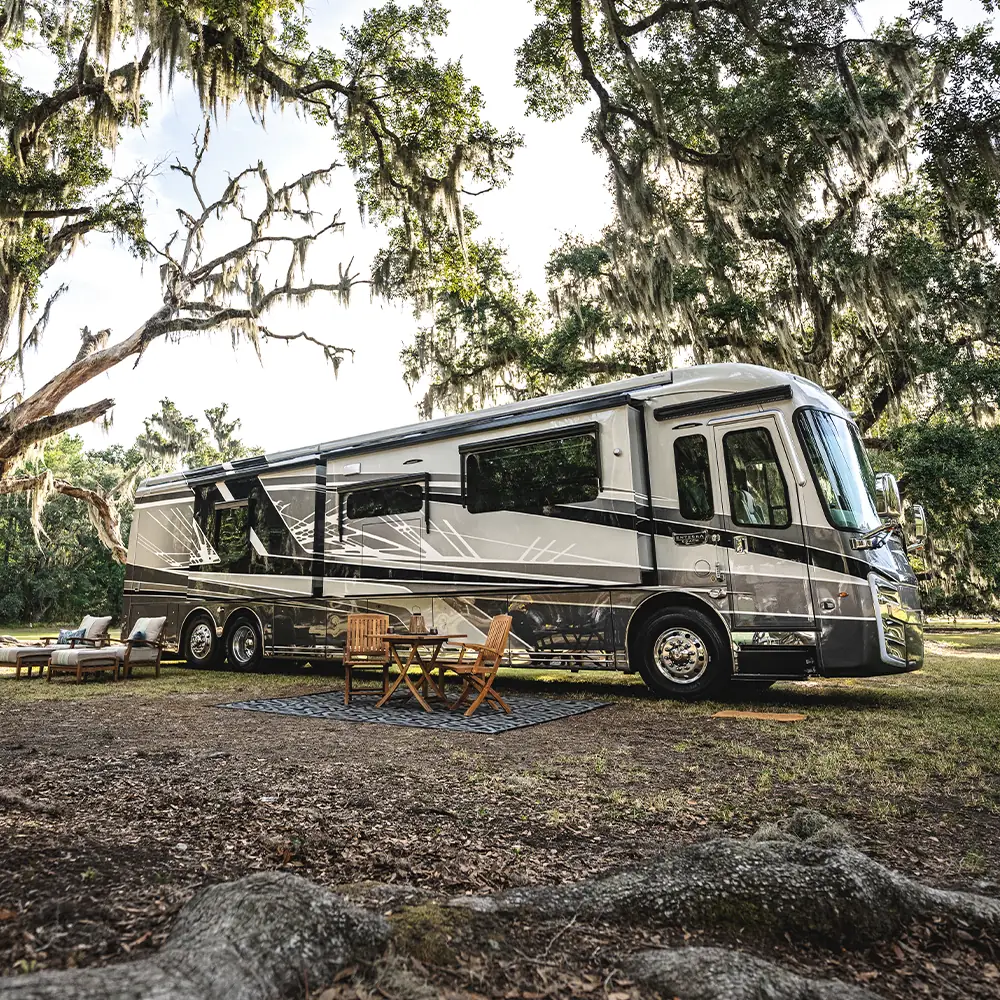
Motorhomes & diesel pushers
Include the coach make and model, then the chassis manufacturer and engine identification. Describe loaded travel, grades and any vehicle being towed. Transmission and cooling requirements belong in the review.
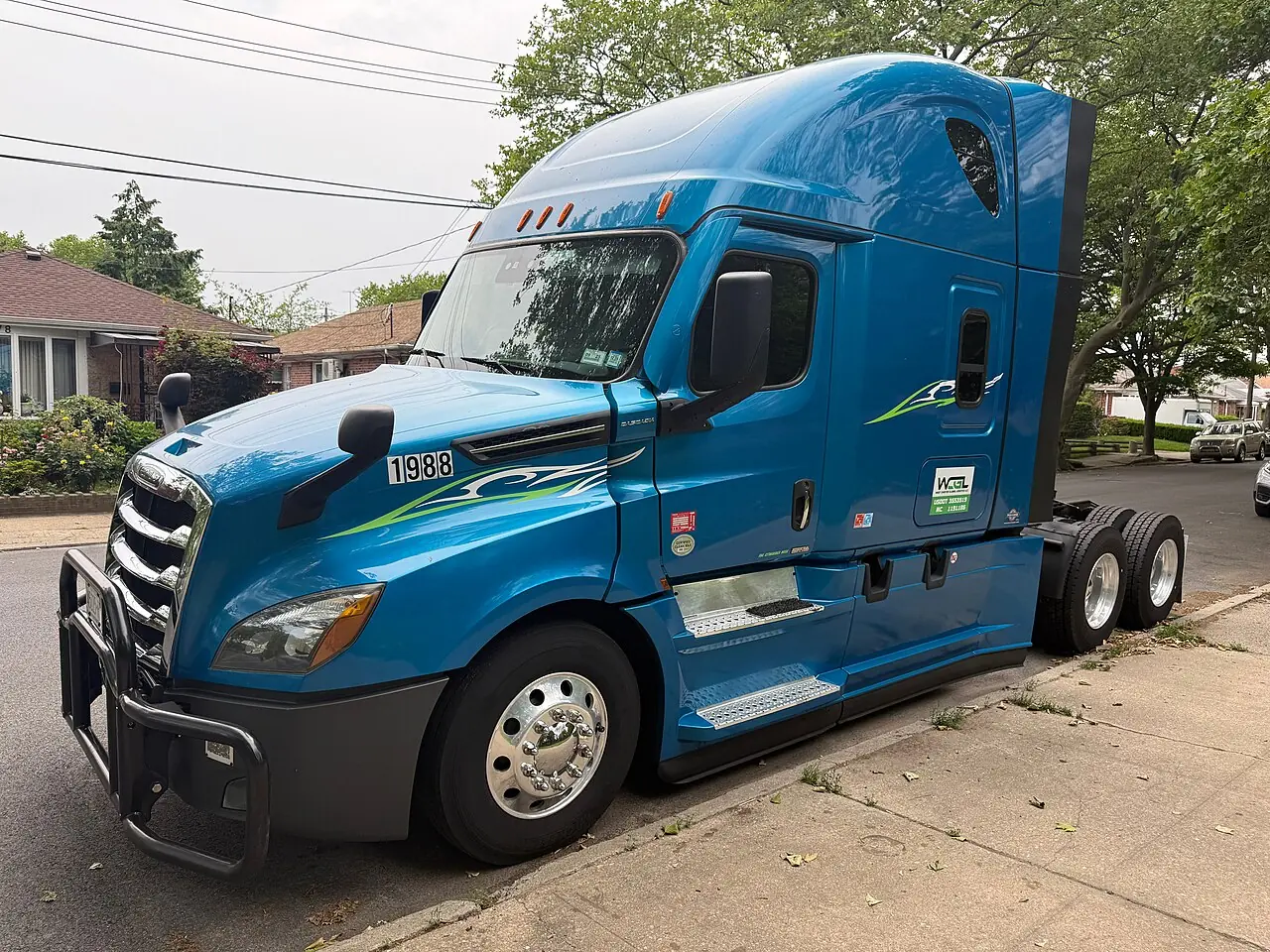
Describe the loaded route, stop/start work, idle time and any power-take-off use. Include the transmission and factory rating, rather than asking for a highway-truck calibration by engine name alone.
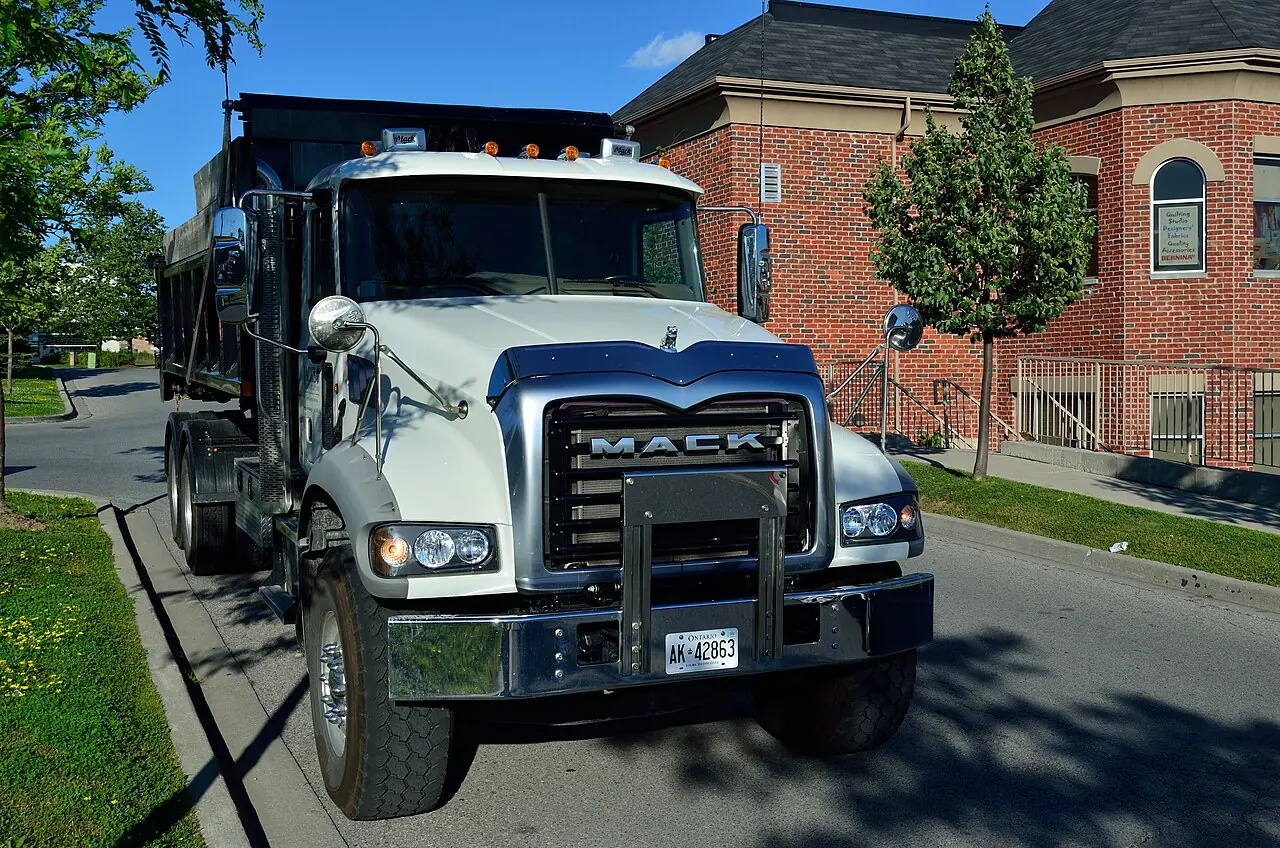
Include engine model, controller information, transmission and typical operating weight. Explain the routes, terrain and the behavior you want reviewed. Each fleet unit needs its own identification.
A coach model, chassis model and engine model describe different parts of the same vehicle.
Vehicle & chassis
Send both names for a motorhome. Use identification labels to clarify the chassis model and year when those details differ from the coach paperwork.
Engine identity
Engine model, serial number and controller information help establish the application. For Cummins engines, the engine dataplate can also identify the CPL and advertised rating.
Transmission & ratings
The current engine rating and the exact transmission matter together. A higher engine-family rating shown elsewhere does not establish what is suitable for this chassis.
Current condition
Report active faults, derates, overheating or unusual operation before a calibration discussion. Include existing modifications and service history you know.
Send the details you have. Missing identification can be clarified before buying a device or committing to work.
Application review
Engine, controller revision, existing calibration and driveline information are checked for the requested use. A brand or displacement alone is not a support confirmation.
Delivery & access
Remote work depends on supported tools and someone able to provide the required access at the vehicle. Local, remote or other arrangements must be agreed for that job.
Defined scope & follow-up
The quote should state the calibration work, any separate tools or licenses, required checks and how results or revisions will be evaluated. No standard power or fuel-saving figure applies to every rig.
Discuss heavy-duty dyno fitment.
Motorhomes and multi-axle trucks need a separate equipment-fit review. Axle loads, tire configuration, dimensions, driven axles and access must suit the actual dynamometer. No heavy-duty dyno capability or session is confirmed here.
Support is reviewed individually. Send the vehicle, chassis, engine and controller information before assuming a file, device or service is available.
What if I only know the coach make and model?
Start there. Add the year and any accessible engine or chassis identification photos; the remaining details can be clarified before a quote.
Will tuning increase the rated towing or carrying capacity?
Use the vehicle, axle, hitch and drivetrain ratings for the actual vehicle. A tuning request does not change those ratings.
Can you work remotely?
Possibly, depending on controller support, diagnostic or flashing tools and the help available at the vehicle. Describe your location and current interface in the quote request.
Can you tune out an active fault or derate?
Report the fault and symptoms first. Diagnosis and any required repair come before considering a calibration change.
Can I book a heavy-duty dyno test?
Heavy-duty dyno fitment and service availability have not been confirmed. Use the dyno inquiry page to discuss the vehicle rather than assuming a pickup testing setup will accommodate it.
Tell us about your rig.
Vehicle, engine, driveline and how it earns its miles.